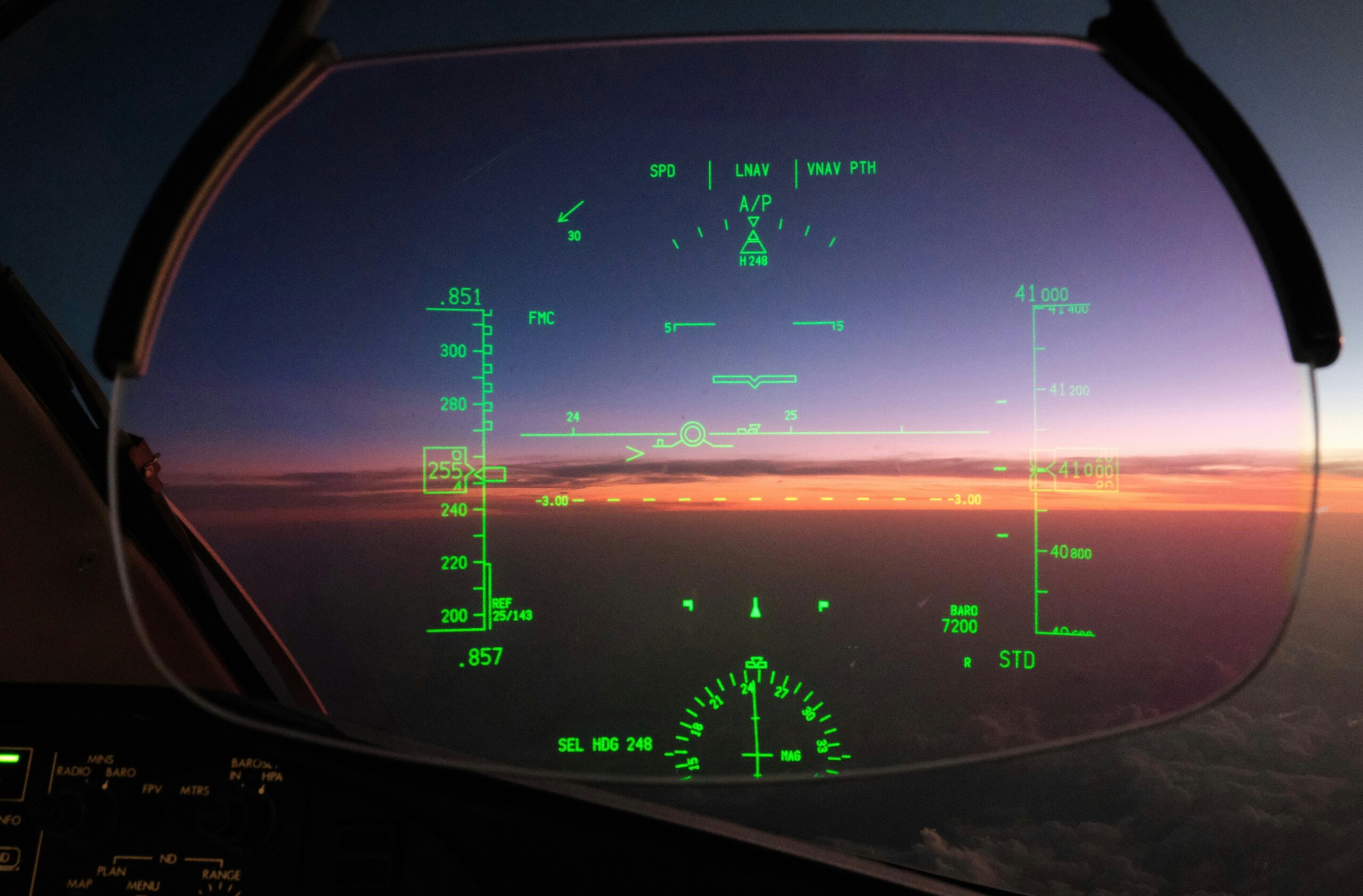
Flying is an experience that blends freedom with responsibility. While clear weather allows pilots to rely on sight, real-world conditions often demand more. Clouds, fog, rain, and darkness can obscure the horizon and landmarks. Instrument flight rules, or IFR, provide pilots with the tools and procedures to navigate safely when visual cues vanish. Mastering instrument flight requires precision, focus, and discipline. It combines technical skill with mental preparation, enabling pilots to operate confidently and safely in all conditions.
The Principles of Instrument Flight
Instrument flight relies entirely on cockpit instruments rather than external visual references. Pilots monitor the attitude indicator, altimeter, heading indicator, and navigation systems to maintain position, altitude, and course. Each instrument provides critical data, but the key is interpreting them collectively. Cross-checking readings allows the pilot to detect deviations and correct them promptly. Unlike visual flight, which depends on instinct and sight, IFR requires structured decision-making. Pilots develop trust in their instruments through practice, ensuring precise control even in zero visibility.
The Importance of Structured Training
Proper training is the cornerstone of safe instrument flight. Flight schools emphasize both simulator and real-world practice, gradually increasing complexity. Students learn to conduct departures, approaches, holding patterns, and emergency procedures using instruments alone. Simulated emergencies, such as electrical failures or unusual attitudes, build quick reflexes and decision-making skills. Repetition reinforces competence, ensuring pilots respond calmly and accurately in high-pressure situations. Consistent training turns theoretical knowledge into instinctive action, allowing aviators to handle challenging conditions with confidence.
Mental Focus and Discipline
Flying under IFR conditions challenges more than technical skills; it tests mental resilience. Pilots must remain calm, focused, and alert when outside references are unavailable. Stress or hesitation can lead to errors, making mental discipline essential. Visualization exercises and procedure rehearsals help pilots anticipate challenges and prepare responses. By trusting their training and instruments, aviators reduce anxiety and maintain clarity. Mental focus enables pilots to respond effectively to changing conditions, maintain situational awareness, and make precise decisions throughout the flight.
Pre-Flight Planning and Preparation
Preparation begins on the ground. Pilots study weather forecasts, NOTAMs, and navigational charts to anticipate challenges. Instruments are checked, fuel reserves confirmed, and alternate airports identified. Structured pre-flight planning ensures that potential obstacles are considered and mitigated. Using detailed checklists guarantees thoroughness and reduces the chance of oversight. By addressing contingencies before takeoff, pilots establish a solid foundation for a safe, efficient flight. Adequate preparation turns uncertainty into manageable conditions and builds confidence for every phase of flight.
Executing the Flight
During instrument flight, pilots continuously monitor and cross-check instruments to maintain control. Heading, altitude, and speed adjustments are constant, ensuring adherence to the flight plan. Communication with air traffic control guides navigation through controlled airspace, but ultimate responsibility remains with the pilot. Maintaining a mental picture of the aircraft’s position, even without external references, is crucial. Pilots adjust for wind, terrain, and navigational aids to stay on course. Smooth control inputs, precise adjustments, and disciplined scanning define proficient instrument flight. Each action reinforces accuracy, confidence, and safety.
Navigating Adverse Weather
Weather presents one of the most significant challenges in IFR flying. Turbulence, low visibility, heavy precipitation, and high winds demand careful attention. Pilots follow standard operating procedures, evaluate options, and respond calmly to changing conditions. Experience allows aviators to anticipate potential issues and take corrective action quickly. Successfully managing adverse weather strengthens confidence, demonstrating the value of training, mental discipline, and trust in instruments. Over time, pilots learn to rely on procedure rather than instinct, navigating storms with precision.
The Role of Modern Technology
Advancements in avionics have transformed instrument flight. GPS navigation, digital displays, and automated systems enhance situational awareness and reduce workload. Autopilot systems allow pilots to focus on monitoring the aircraft’s state and planning maneuvers rather than constantly manually controlling the aircraft. Despite these improvements, technology is a support tool, not a replacement for skill. Pilots must understand systems, interpret data correctly, and remain ready to act manually when necessary. Technology, combined with rigorous training and mental preparation, enables safer, more efficient, and more confident flight.
Continuous Improvement and Lifelong Learning
Mastery of instrument flight is not a final achievement but a continual process. Regulations evolve, equipment changes, and each flight presents new challenges. Maintaining proficiency requires regular practice, reviewing procedures, and analyzing past flights. Pilots who commit to ongoing learning refine their judgment, sharpen their skills, and increase their confidence. Continuous improvement ensures readiness for unexpected situations and fosters a culture of safety and competence. Instrument flight mastery is the result of persistence, discipline, and dedication throughout a pilot’s career.
Instrument flight transforms how pilots experience the skies. By relying on instruments, embracing structured training, and maintaining mental discipline, aviators navigate safely in clouds, storms, and darkness. Pre-flight preparation, careful execution, and intelligent use of technology enhance precision and confidence. Pilots who master IFR skills can respond calmly, make informed decisions, and maintain control under challenging conditions. Ultimately, instrument flight combines technical expertise, mental focus, and disciplined practice, allowing pilots to soar with confidence, regardless of the horizon’s visibility.