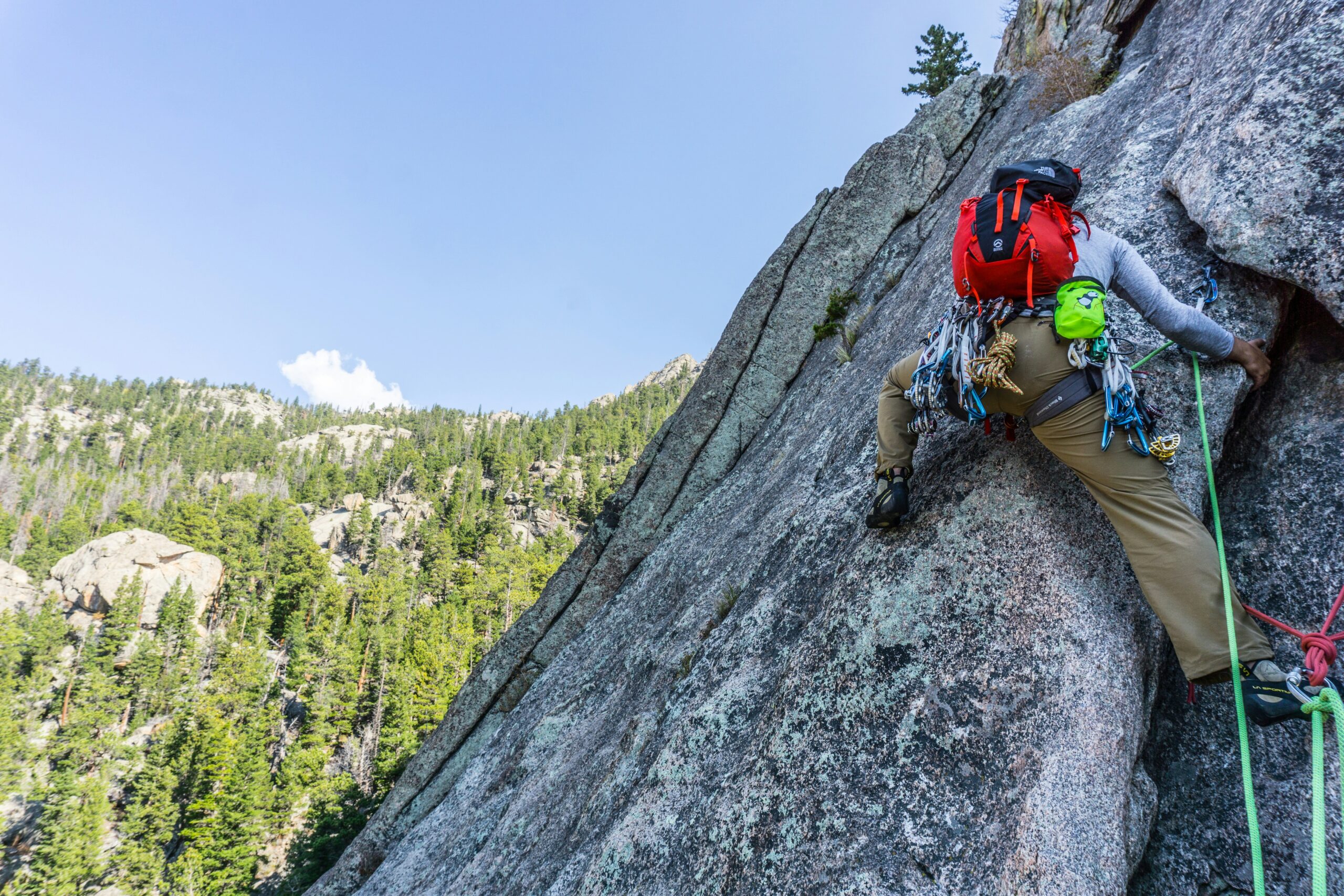
Alpine rock climbing is no longer a niche sport reserved for elite mountaineers. Today, more outdoor lovers are looking upward—toward rugged ridgelines, dramatic granite faces, and breathtaking summit views. Unlike indoor climbing or single-pitch crags, alpine routes offer a powerful mix of challenge, beauty, and unpredictability that keeps climbers coming back for more.
At the same time, this rise in interest is fueled by a growing desire for meaningful experiences in nature. People are trading routine weekends for ambitious objectives, and alpine climbing delivers that sense of purpose. Even if it requires more planning and effort, the reward feels bigger, making it a natural fit for modern adventure seekers.
What Makes Alpine Rock Climbing Different
Alpine rock climbing combines technical rock movement with mountain travel, often at high elevations and in remote terrain. That means climbers must deal with changing weather, long approaches, and complex route-finding. While sport climbing focuses on short bursts of difficulty, alpine climbing tests endurance, patience, and decision-making over many hours—or even multiple days.
Additionally, alpine climbing often involves a greater level of self-reliance. There may be no fixed anchors, no marked trails, and limited rescue access. Because of this, climbers need stronger skills and sharper judgment. Still, the very elements that make it demanding are also what make it deeply rewarding and exciting.
Social Media and the Dream of the Summit
Social media has played a major role in bringing alpine rock climbing into the spotlight. Stunning photos of climbers on knife-edge ridges and towering peaks inspire thousands of viewers daily. As a result, more people feel curious about the sport and start researching routes, gear, and training methods.
However, the influence goes beyond visuals. Many climbers now share real stories—early starts, tough conditions, and personal breakthroughs. That honest storytelling makes alpine climbing feel more accessible and relatable. In turn, beginners are motivated to learn and progress, rather than simply admire from afar.
The Appeal of Adventure With Real Risk
Part of alpine climbing’s growing popularity comes from its raw, real-world intensity. The mountains don’t offer perfect conditions on demand, and every route requires careful planning. Because the risk is genuine, success feels earned rather than guaranteed, which makes the experience unforgettable.
Even so, climbers aren’t chasing danger for its own sake. Instead, they crave the focus that comes from stepping into a high-stakes environment. Alpine climbing forces people to stay present, think clearly, and trust their partners. That mental shift is powerful, especially for those looking to escape stress and distraction.
Better Gear and Smarter Technology
Modern gear has made alpine climbing more achievable for a wider range of climbers. Lightweight ropes, improved protection devices, and more durable clothing allow climbers to move faster and stay safer in unpredictable conditions. As a result, people can take on routes that once felt out of reach.
Likewise, technology has changed how climbers plan and navigate. GPS apps, digital topo guides, and real-time weather forecasts help reduce uncertainty. Although mountains can still surprise anyone, these tools make it easier to prepare effectively, which encourages more climbers to explore alpine environments confidently.
Training Culture Is Growing Fast
The rise of climbing gyms has created a strong foundation for alpine climbing growth. Many climbers now build skills indoors before taking them outside, which speeds up learning. Once they develop strength and technique, the next step often becomes bigger goals—long routes, remote peaks, and alpine objectives.
In addition, structured training plans are now widely available. Climbers focus on endurance, mobility, and mental toughness, not just strength. This well-rounded approach prepares people for the long days and varied terrain alpine climbing demands. Over time, it creates a community that is more capable and motivated than ever.
Alpine Climbing Builds Stronger Community Bonds
Alpine rock climbing is rarely a solo pursuit. Since it involves complex terrain and long days, trust between partners matters deeply. Many climbers say the friendships built in the mountains feel stronger because they’re formed through shared effort, risk management, and problem-solving.
Moreover, the alpine community often encourages mentorship. Experienced climbers teach newer ones how to place protection, manage rope systems, and read weather patterns. This culture of support makes the sport feel welcoming rather than intimidating. As more people join, that shared knowledge continues to spread.
The Role of Guided Trips and Courses
Guided alpine climbing programs have also contributed to the sport’s popularity. For many beginners, hiring a certified guide offers a safe way to experience bigger terrain without guessing their way through it. These trips can build confidence quickly, especially when climbers want to learn best practices from professionals.
At the same time, formal courses are becoming more common. Instruction in multi-pitch climbing, anchor building, and mountain safety helps climbers progress responsibly. Instead of relying only on trial and error, people can train efficiently and reduce avoidable mistakes, which makes alpine climbing more sustainable long-term.
Environmental Awareness and Responsible Climbing
As alpine climbing grows, more climbers are becoming aware of their impact on fragile mountain ecosystems. High-altitude environments recover slowly, and small actions can leave lasting marks. Because of this, many climbers are embracing Leave No Trace ethics and choosing cleaner practices.
For example, climbers are packing out waste, minimizing chalk use, and respecting wildlife habitats. In addition, some communities organize cleanups and educate newcomers about preserving access. This shift toward responsibility strengthens the sport’s future and helps protect the landscapes that make alpine climbing so special.
How Beginners Can Start Safely
For anyone inspired by alpine climbing, the best first step is to build a solid foundation. Before heading into remote mountains, climbers should gain experience with outdoor multi-pitch routes, basic navigation, and rope management. That progression makes the transition smoother and far less overwhelming.
Also, it helps to start small and learn from others. Climbing with experienced partners, taking a course, or hiring a guide can accelerate growth while keeping safety a priority. With the right preparation, alpine rock climbing becomes not only possible, but truly life-changing.
The Future of Alpine Rock Climbing Looks Bright
Alpine rock climbing is rising in popularity because it offers something rare: a real adventure with real meaning. It blends athletic challenge, mental clarity, and stunning natural beauty into one unforgettable experience. For many climbers, it becomes more than a hobby—it becomes a lifestyle.
As interest continues to grow, the sport will likely evolve with better education, stronger communities, and improved safety practices. Still, the heart of alpine climbing will remain the same: early mornings, big mountains, and the thrill of earning your way to the top.