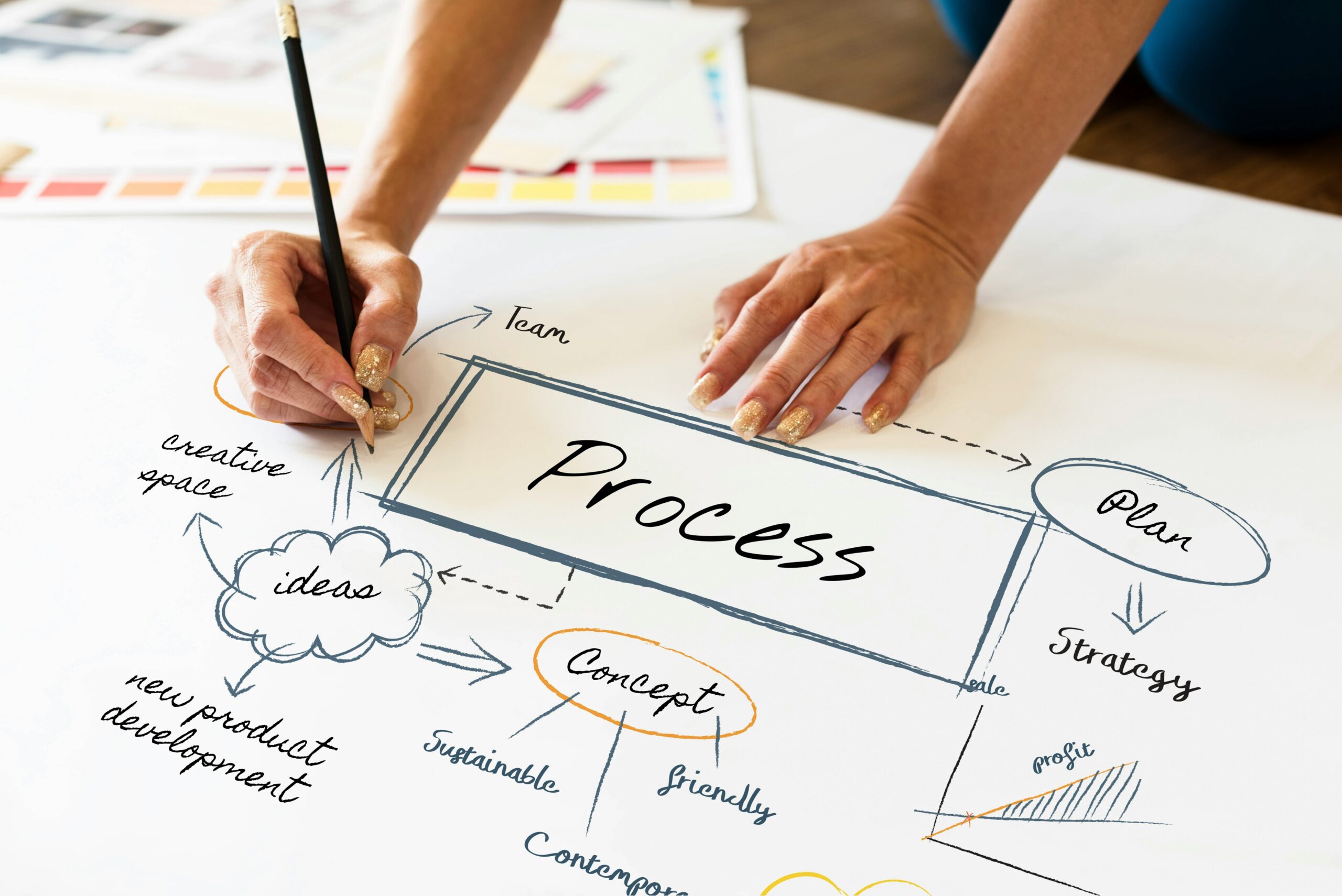
Modern businesses compete in a fast-moving environment where time and money matter more than ever. Organizations that run smoothly gain a significant advantage by reducing waste, delivering faster results, and keeping customers satisfied. That is why many leaders focus on process improvements as a core strategy for operational success, growth, and sustainability.
However, process improvement does not require expensive technology or massive restructuring. Instead, small, practical changes often have the biggest impact. When teams analyze workflows and remove unnecessary steps, they save time and reduce costs quickly. As a result, companies that focus on process improvements build stronger systems that support long-term efficiency and profitability.
Understanding the Value of Process Improvements
Businesses rely on processes every day. These processes guide how teams complete tasks, deliver services, and manage resources. When organizations regularly review these systems, they discover opportunities to simplify work and reduce delays. As a result, process improvements help teams operate with greater clarity and focus.
Furthermore, streamlined processes reduce confusion and improve accountability. Employees know exactly what to do, which tools to use, and how to complete tasks efficiently. As a result, teams work faster and avoid repeated mistakes. Over time, companies that prioritize process improvements build a culture of continuous efficiency and performance.
Identifying Inefficiencies in Daily Operations
Before organizations improve processes, they must first understand where inefficiencies exist. Leaders often begin by examining routine workflows and identifying steps that slow progress. For example, repeated approvals, manual data entry, and unclear responsibilities often create unnecessary delays. When businesses recognize these issues, they gain a clear path toward improvement.
Moreover, team feedback plays an important role in identifying operational problems. Employees interact with systems daily, so they often notice obstacles that leadership may overlook. Therefore, open communication helps organizations uncover hidden inefficiencies. Once teams identify these challenges, they can design practical process improvements that eliminate wasted effort and save valuable time.
Simplifying Workflows to Save Time
Complex workflows slow productivity and frustrate employees. However, when organizations simplify procedures, teams can complete tasks faster and with fewer errors. For example, removing redundant approvals or combining similar steps allows work to move forward without unnecessary delays.
In addition, simplified workflows improve team confidence and clarity. Employees understand expectations and complete tasks more efficiently when processes remain straightforward. Consequently, businesses experience faster turnaround times and improved performance. These time-saving workflow improvements create measurable gains in both productivity and operational efficiency.
Using Technology to Support Process Improvements
Technology plays a powerful role in modern process improvements. Digital tools automate repetitive tasks, organize information, and reduce human error. For instance, automation software can handle scheduling, invoicing, and reporting without requiring constant manual input. As a result, employees can focus on higher-value work instead of routine administrative tasks.
Furthermore, data analytics tools allow organizations to measure performance and identify areas that require attention. Leaders can track productivity, analyze workflow efficiency, and adjust processes based on real insights. Because of these capabilities, technology strengthens business process improvements and helps organizations maintain consistent operational efficiency.
Building a Culture of Continuous Improvement
Successful organizations understand that process improvements should never happen only once. Instead, they treat improvement as an ongoing effort that evolves with business needs. When teams adopt a continuous evaluation mindset, they remain prepared to adapt and optimize workflows regularly.
Equally important, leadership must encourage employees to contribute ideas for improving operations. When team members feel empowered to suggest changes, innovation grows naturally within the organization. Over time, this culture of improvement leads to stronger productivity, smarter resource management, and better business outcomes.
Measuring the Impact of Operational Changes
After implementing process improvements, businesses must carefully evaluate the results. Measurement helps leaders understand whether changes truly save time and reduce costs. For example, companies can track production speed, customer satisfaction, and operational expenses to assess the effectiveness of improvement efforts.
Additionally, regular performance reviews help organizations refine their strategies. When leaders analyze outcomes, they identify which adjustments deliver the strongest results. Consequently, businesses continue to refine their processes and improve efficiency. This ongoing evaluation ensures that process improvements remain practical, measurable, and aligned with long-term goals.
Reducing Costs Through Smarter Processes
Many companies search for ways to reduce expenses without sacrificing quality. Process improvements provide a practical solution by removing waste while maintaining strong performance. When businesses eliminate unnecessary steps, they reduce labor costs, shorten production cycles, and prevent costly errors.
At the same time, efficient systems help organizations allocate resources more effectively. Teams spend less time correcting mistakes and more time delivering valuable work. As a result, companies increase productivity while controlling operational expenses. These cost-saving process improvements strengthen financial stability and support sustainable growth.
Strengthening Customer Experience Through Efficiency
Efficient processes do more than improve internal operations. They also enhance the customer experience. When workflows run smoothly, businesses deliver products and services faster, respond to requests quickly, and maintain consistent quality.
Additionally, streamlined systems reduce delays and improve communication with clients. Customers notice when organizations operate efficiently, and that reliability builds trust over time. Therefore, businesses that invest in process improvements not only save time and money but also strengthen their reputation and customer relationships.
Long-Term Business Growth Through Process Improvements
Process improvements play a critical role in long-term business success. Organizations that streamline operations create stronger foundations for growth. When systems operate efficiently, companies scale more easily, manage higher demand, and adapt to market changes with confidence.
Ultimately, sustainable growth depends on strong operational structures. Businesses that regularly evaluate and refine their processes stay competitive in a rapidly evolving environment. By focusing on sustainable business process improvements, companies build efficient workflows, reduce unnecessary costs, and create lasting value for both employees and customers.