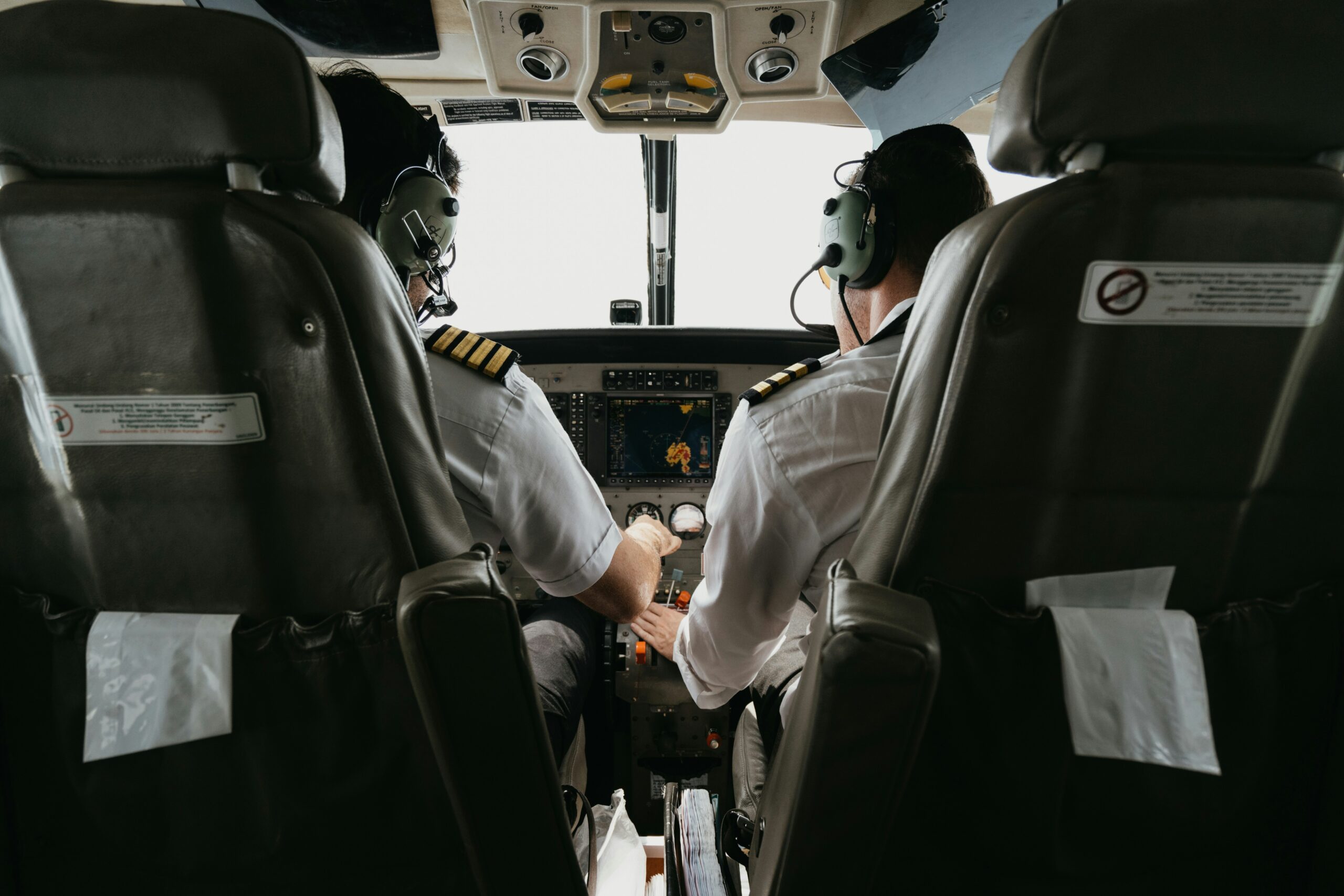
The aviation industry runs on precision, yet behind every smooth flight lies a complex balance of financial discipline and regulatory adherence. Commercial pilots operate at the intersection of safety, efficiency, and cost management, making decisions that directly influence airline profitability and passenger trust. While passengers often focus on destinations, pilots constantly evaluate fuel efficiency, operational constraints, and compliance standards.
As the aviation landscape evolves, pilots face increasing pressure to adapt to new technologies, stricter regulations, and fluctuating economic conditions. Consequently, understanding how they manage both cost and compliance offers insight into the broader business of aviation.
The Financial Pressures of Modern Aviation
Airlines operate on tight margins, and pilots play a significant role in controlling operational costs. Fuel, for instance, represents one of the largest expenses, so pilots must carefully plan routes, optimize altitude, and adjust speed to reduce consumption. Even small adjustments can result in substantial savings over time, especially on long-haul flights.
Moreover, pilots collaborate closely with dispatch teams to ensure cost-effective decision-making. While safety always comes first, efficient planning helps airlines remain competitive. Therefore, pilots must balance economic awareness with operational responsibility, ensuring that cost-saving measures never compromise safety.
Navigating Complex Regulatory Frameworks
Commercial aviation is one of the most heavily regulated industries in the world. Pilots must comply with strict guidelines set by authorities such as the Federal Aviation Administration in the United States. These regulations govern everything from flight hours to maintenance procedures, ensuring consistent safety standards across the industry.
At the same time, compliance requires constant vigilance and ongoing education. Pilots must stay updated on changing rules, which can vary across regions and countries. As a result, they regularly undergo training and certification programs to maintain their qualifications and adapt to new requirements.
Training Costs and Professional Development
Becoming a commercial pilot requires a significant financial investment. Training programs, certifications, and flight hours can cost tens of thousands of dollars, creating a barrier to entry for many aspiring aviators. However, airlines often expect pilots to arrive fully qualified, which places the burden of initial costs on individuals.
Once employed, pilots continue to invest in their professional development. Recurrent training, simulator sessions, and additional certifications ensure that they remain proficient and compliant. Consequently, ongoing education becomes both a necessity and a financial consideration throughout a pilot’s career.
Fuel Efficiency and Operational Strategy
Fuel management is a critical component of aviation economics. Pilots use advanced systems and real-time data to optimize fuel usage during each flight. For example, they may adjust cruising altitude or reroute to avoid unfavorable weather conditions, which can significantly impact fuel consumption.
In addition, airlines implement fuel-saving initiatives that rely heavily on pilot cooperation. These strategies include single-engine taxiing and continuous descent approaches, which reduce fuel burn and emissions. Therefore, pilots act as key contributors to both cost reduction and environmental sustainability.
Balancing Safety with Cost Considerations
Although cost efficiency is important, safety remains the top priority in aviation. Pilots are trained to make decisions that prioritize passenger and crew well-being, even if those decisions increase operational costs. For instance, diverting a flight due to weather or technical concerns may be expensive, yet it is essential for maintaining safety standards.
However, the challenge lies in balancing these priorities without creating conflict. Pilots must exercise sound judgment while considering both operational efficiency and regulatory compliance. As a result, airlines depend on their expertise to navigate situations where cost and safety intersect.
Technology’s Role in Compliance and Efficiency
Advancements in aviation technology have transformed how pilots manage cost and compliance. Modern aircraft are equipped with sophisticated systems that provide real-time data on fuel usage, weather patterns, and performance metrics. These tools enable pilots to make informed decisions quickly and accurately.
Furthermore, digital systems simplify compliance by automating record-keeping and monitoring flight parameters. This reduces the risk of human error and ensures adherence to regulatory standards. Consequently, technology not only enhances efficiency but also strengthens the overall safety framework within aviation.
The Impact of Global Economic Factors
External economic conditions significantly influence the aviation industry. Fuel prices, currency fluctuations, and global demand all affect airline profitability, which in turn impacts pilot operations. During periods of economic uncertainty, airlines may implement stricter cost controls, placing additional pressure on pilots to optimize performance.
At the same time, global events such as pandemics or geopolitical tensions can disrupt flight operations and regulatory requirements. Pilots must adapt to these changes while maintaining compliance and operational efficiency. Therefore, their role extends beyond flying, encompassing a broader understanding of economic dynamics.
Environmental Regulations and Sustainability Goals
Environmental concerns have become a central focus in aviation, leading to stricter regulations aimed at reducing emissions. Pilots play a crucial role in achieving these sustainability goals by adopting fuel-efficient practices and supporting green initiatives.
Additionally, airlines invest in newer aircraft and alternative fuels to meet environmental standards. Pilots must learn to operate these technologies effectively while complying with evolving regulations. As a result, sustainability has become an integral part of both cost management and compliance in modern aviation.
The Strategic Role of Commercial Pilots
Commercial pilots are more than skilled aviators; they are key players in the business of aviation. By managing costs, adhering to regulations, and embracing technological advancements, they help airlines navigate a complex and competitive industry. Their decisions influence not only operational efficiency but also safety and sustainability.
Ultimately, the role of a commercial pilot continues to evolve alongside the industry. As challenges grow more complex, pilots must balance financial awareness with regulatory compliance, ensuring that every flight operates smoothly within the broader framework of aviation business.