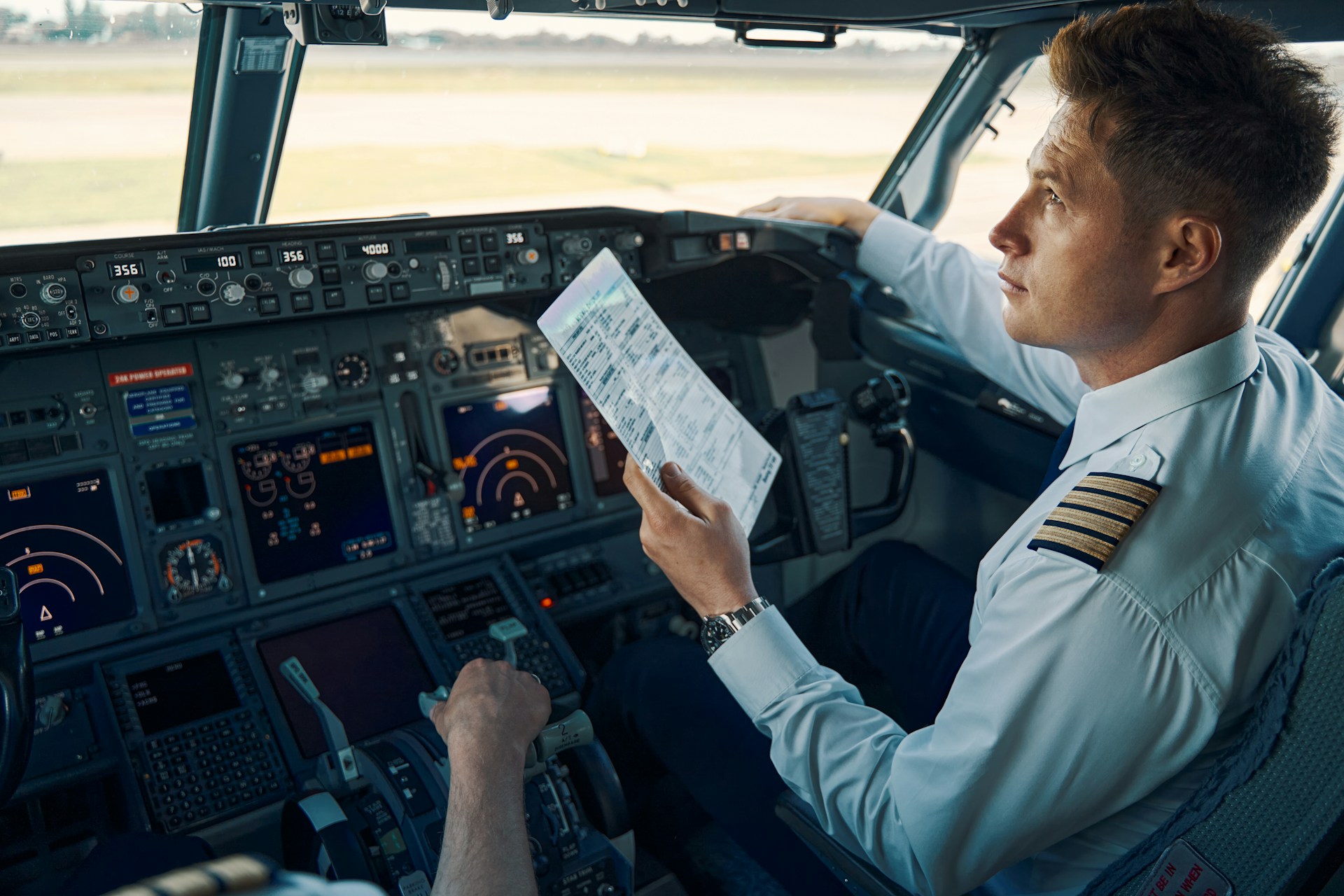
Flight teaching skills are traditionally associated with aviation training, where instructors guide students through complex procedures, safety protocols, and decision-making processes. However, these same flight teaching skills extend beyond the cockpit and can be applied effectively in mountain environments. The keyword flight teaching skills reflects a broader set of competencies that include communication, risk management, situational awareness, and leadership.
In mountain settings, such as alpine climbing or high-altitude trekking, individuals face unpredictable conditions that require careful planning and quick decision-making. Flight teaching skills provide a structured approach to handling these challenges. Just as flight instructors prepare students for various scenarios in aviation, these skills help individuals navigate complex outdoor environments with confidence and precision.
From an educational perspective, flight teaching skills emphasize learning through experience, observation, and continuous improvement. This approach is equally valuable in mountain environments, where conditions can change rapidly and require adaptive thinking.
Situational Awareness in Aviation and Mountains
One of the most important flight teaching skills is situational awareness. In aviation, instructors train students to constantly monitor their surroundings, including weather conditions, aircraft performance, and air traffic. This awareness helps pilots anticipate changes and respond effectively.
In mountain environments, situational awareness plays a similar role. Climbers and outdoor enthusiasts must observe weather patterns, terrain features, and environmental conditions. Understanding these elements allows them to make informed decisions and avoid potential hazards.
Flight teaching skills encourage individuals to think ahead and consider multiple factors at once. This mindset is essential in mountainous areas, where conditions can shift quickly. For example, a sudden change in weather can impact visibility and safety, requiring immediate adjustments.
By applying flight teaching skills to mountain environments, individuals develop a proactive approach to risk management. They learn to identify potential issues before they become serious problems, which enhances overall safety and confidence.
Decision-Making and Risk Management
Decision-making is a central component of flight teaching skills. In aviation, instructors guide students through structured decision-making processes that prioritize safety and efficiency. These processes involve evaluating available information, considering possible outcomes, and choosing the best course of action.
In mountain environments, decision-making is equally critical. Climbers must assess factors such as route conditions, weather forecasts, and physical readiness. Flight teaching skills provide a framework for making these decisions in a logical and systematic way.
Risk management is closely related to decision-making. Flight teaching skills emphasize identifying risks, evaluating their impact, and implementing strategies to reduce them. This approach can be directly applied to mountain activities, where risks may include rockfall, altitude effects, or changing terrain.
For example, choosing whether to continue a climb or turn back requires careful consideration of multiple factors. Flight teaching skills help individuals weigh these factors objectively, reducing the likelihood of impulsive decisions.
Educationally, this process reinforces critical thinking and problem-solving abilities. Individuals learn to approach challenges with a clear and structured mindset, which is beneficial in both aviation and outdoor environments.
Communication and Leadership in Challenging Environments
Communication is another key aspect of flight teaching skills. Instructors must convey information clearly and effectively to ensure that students understand procedures and expectations. This skill is essential for maintaining safety and coordination in aviation.
In mountain environments, communication becomes equally important. Climbers often work in teams, relying on clear instructions and coordination to navigate routes safely. Miscommunication can lead to errors, making effective communication a critical skill.
Flight teaching skills also include leadership, which is particularly valuable in challenging environments. Instructors are responsible for guiding students, managing situations, and ensuring that objectives are met safely. These leadership qualities translate well to mountain settings, where individuals may need to lead a group through complex terrain.
Leadership in mountain environments involves making informed decisions, maintaining group morale, and ensuring that safety protocols are followed. Flight teaching skills provide a foundation for these responsibilities, helping individuals lead with confidence and clarity.
From an educational standpoint, communication and leadership skills enhance teamwork and collaboration. They encourage individuals to share knowledge, support each other, and work toward common goals.
Adaptability and Continuous Learning
Adaptability is a defining feature of flight teaching skills. In aviation, instructors must adjust their teaching methods based on student needs and changing conditions. This flexibility ensures that learning remains effective and relevant.
In mountain environments, adaptability is equally important. Conditions can change rapidly, requiring individuals to adjust their plans and strategies. Flight teaching skills help individuals remain flexible and responsive, allowing them to navigate challenges effectively.
Continuous learning is another important element. Flight teaching skills emphasize the importance of reviewing experiences, identifying areas for improvement, and applying lessons learned. This approach supports ongoing development and skill refinement.
In mountain environments, continuous learning helps individuals build experience and improve their abilities over time. Each outing provides new insights, which can be used to enhance future performance.
The keyword flight teaching skills represents a commitment to growth and improvement. It highlights the importance of learning from experience and adapting to new challenges.
Applying Flight Teaching Skills to Real-World Scenarios
The practical application of flight teaching skills in mountain environments demonstrates their versatility. These skills are not limited to aviation but can be used in any situation that requires careful planning, decision-making, and teamwork.
For example, planning a mountain climb involves many of the same steps as planning a flight. Individuals must assess conditions, prepare equipment, and consider alternative options. Flight teaching skills provide a structured approach to this process, ensuring that all relevant factors are considered.
During the activity, individuals must remain aware of their surroundings and make adjustments as needed. This mirrors the continuous monitoring and decision-making required in aviation. By applying flight teaching skills, individuals can maintain control and respond effectively to changing conditions.
After the activity, reviewing performance and identifying areas for improvement supports ongoing learning. This reflective process is a key component of flight teaching skills and contributes to long-term development.
The Value of Flight Teaching Skills Beyond the Cockpit
Flight teaching skills extend far beyond aviation and offer valuable benefits in mountain environments. These skills enhance situational awareness, improve decision-making, and support effective communication and leadership. They provide a structured approach to managing challenges and ensuring safety.
By applying flight teaching skills in mountain settings, individuals can navigate complex environments with greater confidence and competence. The principles learned in aviation training translate effectively to outdoor activities, demonstrating their versatility and relevance.
Understanding the connection between flight teaching skills and mountain environments highlights the importance of transferable skills. It shows that the lessons learned in one field can be applied to others, supporting growth and development in diverse contexts.
As more individuals explore outdoor adventures, the value of flight teaching skills becomes increasingly apparent. They offer a foundation for safe, informed, and effective decision-making, making them an essential tool for both aviation and mountain exploration.