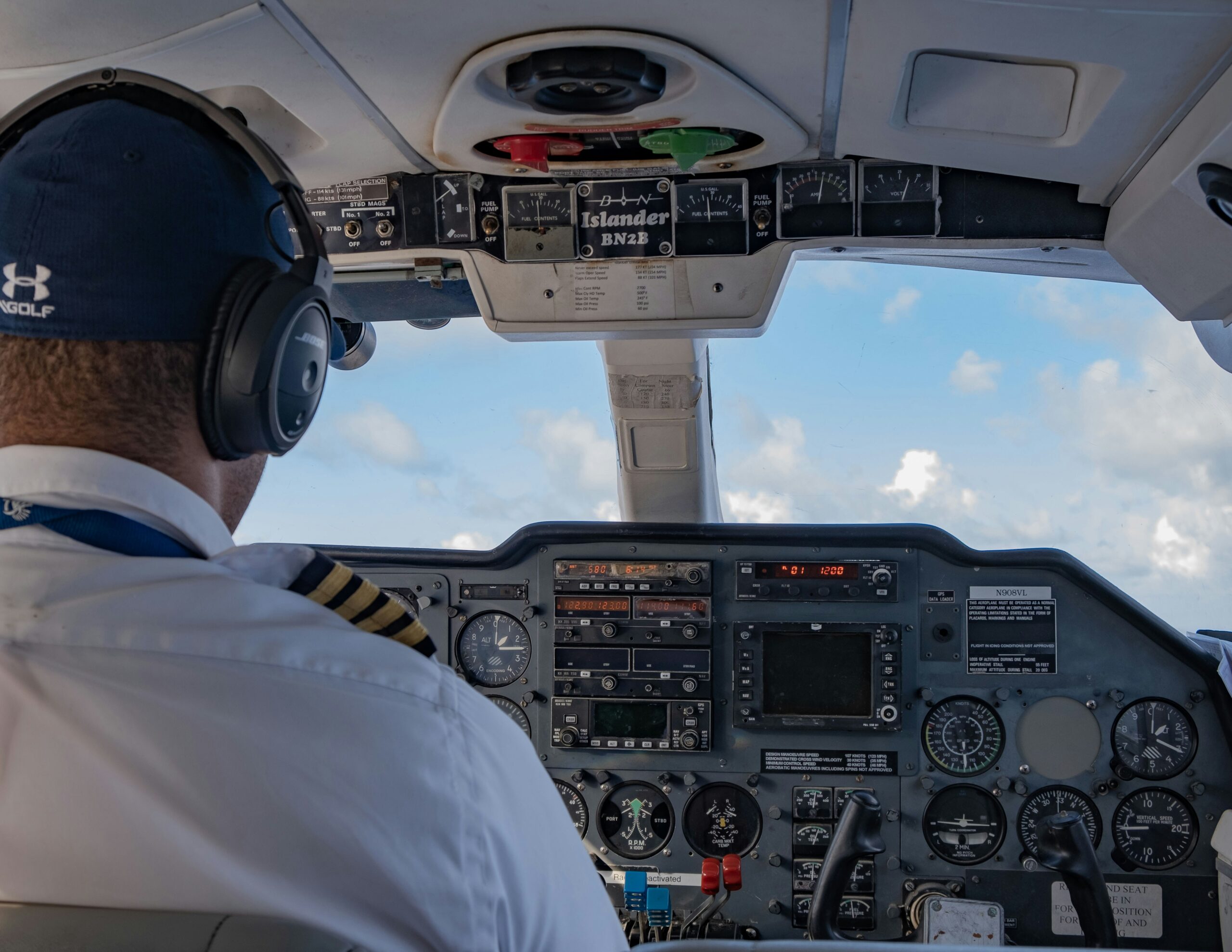
The transition from student pilot to Certified Flight Instructor (CFI) is a defining chapter in any aviator’s career. For many, earning the CFI certificate is more than a credential—it’s an opportunity to guide future pilots while strengthening their own command of aviation. This path demands dedication, patience, and a deep respect for safety, but it also opens the door to some of the most meaningful experiences in flying.
Understanding the Responsibilities of a CFI
Flight instructors carry the important responsibility of shaping new pilots. They must be able to communicate clearly, demonstrate flawless technique, and maintain a calm presence during every stage of training. A CFI teaches more than maneuvers; they instill discipline, decision-making skills, and professional judgment.
Because instructors work closely with students who rely on them for guidance, they must have a thorough understanding of aircraft systems, aerodynamics, and emergency procedures. This blend of teaching and piloting skill makes the CFI role a foundation for many long-term aviation careers.
Meeting the Prerequisites for CFI Training
Before pilot candidates begin CFI training, they must satisfy essential prerequisites set by the FAA. A commercial pilot license is required, ensuring they already possess advanced flying abilities. An instrument rating is also necessary, allowing future CFIs to train students in various weather and visibility conditions.
Many pilots accumulate additional hours by flying cross-country routes, practicing instrument procedures, or working with safety pilots. These experiences build confidence and develop the kind of judgment that is crucial when teaching new aviators.
Mastering the Ground Training Phase
Ground school is a major component of CFI preparation. During this stage, pilots study aerodynamics, weather patterns, aircraft performance, teaching techniques, and federal regulations. They also learn the fundamentals of instruction, which help them understand how people absorb information and how to tailor lessons to different learning styles.
To qualify for certification, candidates must pass two FAA knowledge tests: the Fundamentals of Instruction (FOI) and the Flight Instructor Airplane (FIA) or the relevant subject exam. Strong performance on these exams demonstrates the instructor’s ability to teach clearly and accurately in both classroom and cockpit settings.
Advancing Through Flight Training
CFI flight training focuses on demonstrating maneuvers with precision while simultaneously teaching them. Candidates must master every maneuver required for both private and commercial pilot training and be able to explain each step in detail. Clear communication and situational awareness are essential, especially when correcting student errors.
During this phase, instructors-in-training learn how to manage a safe training environment, anticipate problems, and maintain control even when a student makes mistakes. This ability to balance flying with teaching forms the core of effective instructional skill.
Passing the CFI Checkride
The final step toward certification is the CFI checkride, widely considered one of the most demanding evaluations in aviation. The oral exam portion covers regulations, safety procedures, aerodynamics, and instructional techniques. Examiners often ask candidates to teach concepts on the spot, just as they would with a new student.
The flight portion of the checkride requires candidates to demonstrate maneuvers while the examiner acts as a student—sometimes intentionally making errors to test the candidate’s ability to teach, correct, and maintain composure. Successfully completing the checkride proves that the pilot is ready to instruct with confidence and professionalism.
Career Opportunities for New CFIs
Once certified, flight instructors can begin working at flight schools, colleges, and aviation training centers. Becoming a CFI is one of the fastest ways for pilots to build valuable flight time, especially for those planning to move into airline, charter, or corporate flying positions.
Other instructors choose to remain in flight training long-term, finding purpose in mentoring new pilots. With experience, CFIs can pursue advanced ratings, specialize in multi-engine training, or become chief flight instructors responsible for overseeing entire training programs.
Long-Term Advantages of Becoming a Flight Instructor
Serving as a flight instructor strengthens a pilot’s foundational skills while deepening their understanding of aviation principles. Teaching maneuvers, evaluating student performance, and managing in-flight decisions every day sharpens technique and builds superior flying habits. This hands-on experience enhances overall professionalism and prepares instructors for more advanced aviation roles.
Becoming a CFI also brings personal fulfillment. Watching students progress from their first lesson to their solo flight—and ultimately their checkride—provides unmatched satisfaction. With strong industry demand for qualified instructors, earning a CFI certificate offers valuable opportunities for career growth, skill development, and long-term success in the aviation field. Strong keywords included: CFI certification, flight instructor training, aviation career path, FAA requirements, pilot advancement opportunities, professional flight training.