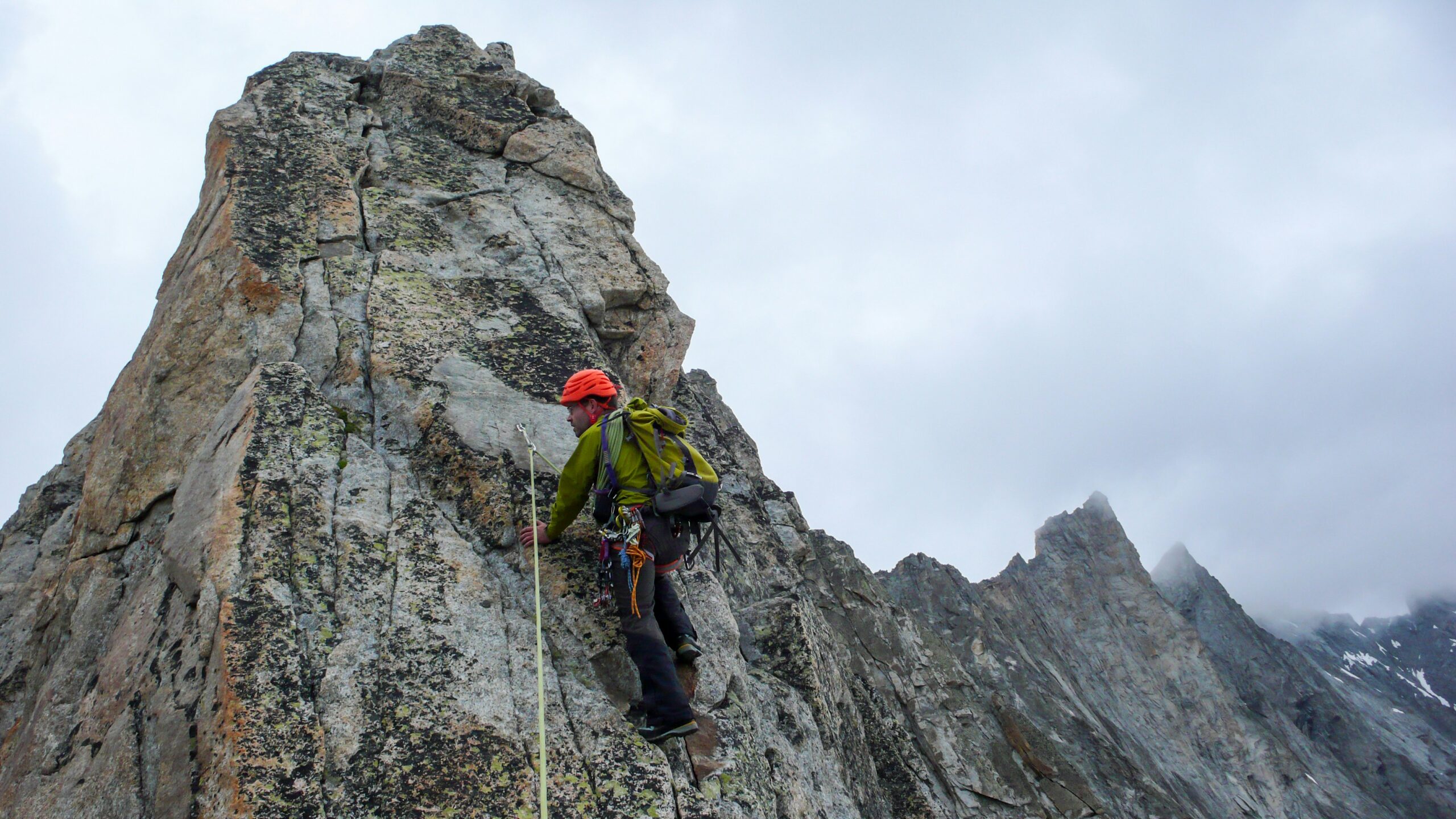
Rock climbing is more than just a sport or a way to spend a weekend outdoors. It is a discipline that combines physical skill, mental focus, and strategic planning. Every climber knows that reaching the top requires more than strength alone. It takes precision in each movement, careful planning of every route, and a deep respect for the process. In many ways, climbing mirrors life and work, teaching lessons that extend beyond the rock face.
Climbers start with small holds and simple routes, learning to balance, grip, and move efficiently. These early experiences build a foundation for more challenging climbs. Over time, the emphasis on precision becomes clear. Every hand placement and foot adjustment matters, and even minor missteps can slow progress or increase risk. By focusing on each movement, climbers develop patience and attention to detail that benefits other areas of life.
The Importance of Planning Your Route
Before stepping onto a wall, experienced climbers carefully analyze their route. They look for secure holds, plan sequences of moves, and consider how to conserve energy. This planning process ensures efficiency during the climb, reducing mistakes and improving overall performance. Therefore, success often starts long before the first grip.
Route planning also teaches anticipation. Climbers must think several moves ahead and adjust based on changing conditions or unexpected challenges. This practice strengthens problem-solving skills and encourages flexibility. When climbers plan thoroughly, they approach the wall with confidence and clarity, which improves both safety and enjoyment.
Precision in Every Movement
One of the key lessons rock climbing teaches is that precision matters more than brute force. Every grip, foot placement, and shift in weight affects balance and stability. By focusing on small, deliberate movements, climbers learn to move efficiently and conserve energy. This attention to detail translates into improved performance on tougher climbs.
In addition, precision builds trust in one’s own abilities. When climbers execute moves intentionally, they reduce hesitation and increase confidence. This mindset fosters both mental and physical control. Over time, climbers discover that even seemingly small adjustments can make a big difference in achieving goals.
The Role of Process in Success
Climbing is not just about strength or skill; it is about following a process. Experienced climbers establish routines for warming up, tying knots, checking equipment, and managing time on the wall. These routines create consistency and minimize errors. Therefore, process becomes a key factor in safety and success.
Following a process also promotes learning and improvement. By tracking performance and reflecting on each climb, climbers identify what worked well and what could be improved. This structured approach encourages continuous growth, and it reinforces the idea that deliberate steps often lead to better results than rushing or guessing.
Mental Focus and Decision-Making
Rock climbing teaches mental discipline alongside physical skill. Climbers must stay focused, even under pressure or fatigue. They make quick decisions about handholds, footing, and body positioning while constantly assessing risk. This focus strengthens cognitive skills and helps climbers respond calmly to challenges.
Moreover, decision-making in climbing involves both analysis and intuition. Experienced climbers balance knowledge of techniques with real-time judgment, adjusting plans as the climb progresses. This combination of foresight and adaptability enhances confidence and reduces errors. The mental clarity gained from climbing carries over to problem-solving in other areas of life.
Handling Risk with Confidence
Every climb carries some risk, and managing that risk effectively is a key part of the process. Climbers learn to assess hazards, choose secure holds, and maintain control in unstable situations. By taking calculated risks, they develop resilience and confidence.
In addition, handling risk requires trust in equipment, training, and partners. Safety checks, proper belaying, and clear communication form a structured approach to risk management. Through repeated practice, climbers internalize these habits, ensuring that safety becomes second nature. The lessons learned about risk are valuable far beyond the climbing gym or mountain face.
Patience and Persistence
Patience is another core lesson from rock climbing. Not every route can be completed on the first attempt. Climbers often encounter sections that require repeated practice or creative problem-solving. By working steadily and maintaining focus, they develop persistence that pays off in long-term progress.
Persistence in climbing also reinforces the importance of incremental improvement. Each attempt, even if unsuccessful, provides insight into technique, timing, and positioning. Over time, small improvements compound, helping climbers reach more challenging heights with greater skill and confidence.
Collaboration and Learning from Others
Climbing often involves collaboration, whether in a gym or outdoors. Climbers rely on partners for belaying, guidance, and encouragement. This interaction teaches the importance of communication, trust, and teamwork. By sharing knowledge and experiences, climbers enhance their skills and broaden their perspective.
In addition, observing others allows climbers to learn alternative techniques and strategies. Each person approaches a route differently, and these variations offer valuable insights. By incorporating lessons from others, climbers refine their process and improve precision, demonstrating that growth often comes from both personal effort and shared learning.
Applying Climbing Lessons Beyond the Wall
The lessons from rock climbing extend well beyond physical activity. The emphasis on precision, process, and focus translates into professional and personal growth. Planning, attention to detail, and persistence improve problem-solving in the workplace, while risk management and mental focus strengthen decision-making under pressure.
Furthermore, the structured approach to improvement fosters long-term success. Climbers learn to set realistic goals, evaluate progress, and adjust strategies as needed. By embracing the principles of climbing, individuals cultivate habits that support achievement and resilience in many areas of life.
Rock climbing teaches valuable lessons about precision and process. By emphasizing careful planning, deliberate movement, and structured routines, climbers develop both skill and mental strength. These lessons carry beyond the wall, influencing how people approach challenges, manage risk, and achieve goals. Every climb reinforces the idea that careful preparation, consistent practice, and thoughtful execution are the keys to scaling new heights.