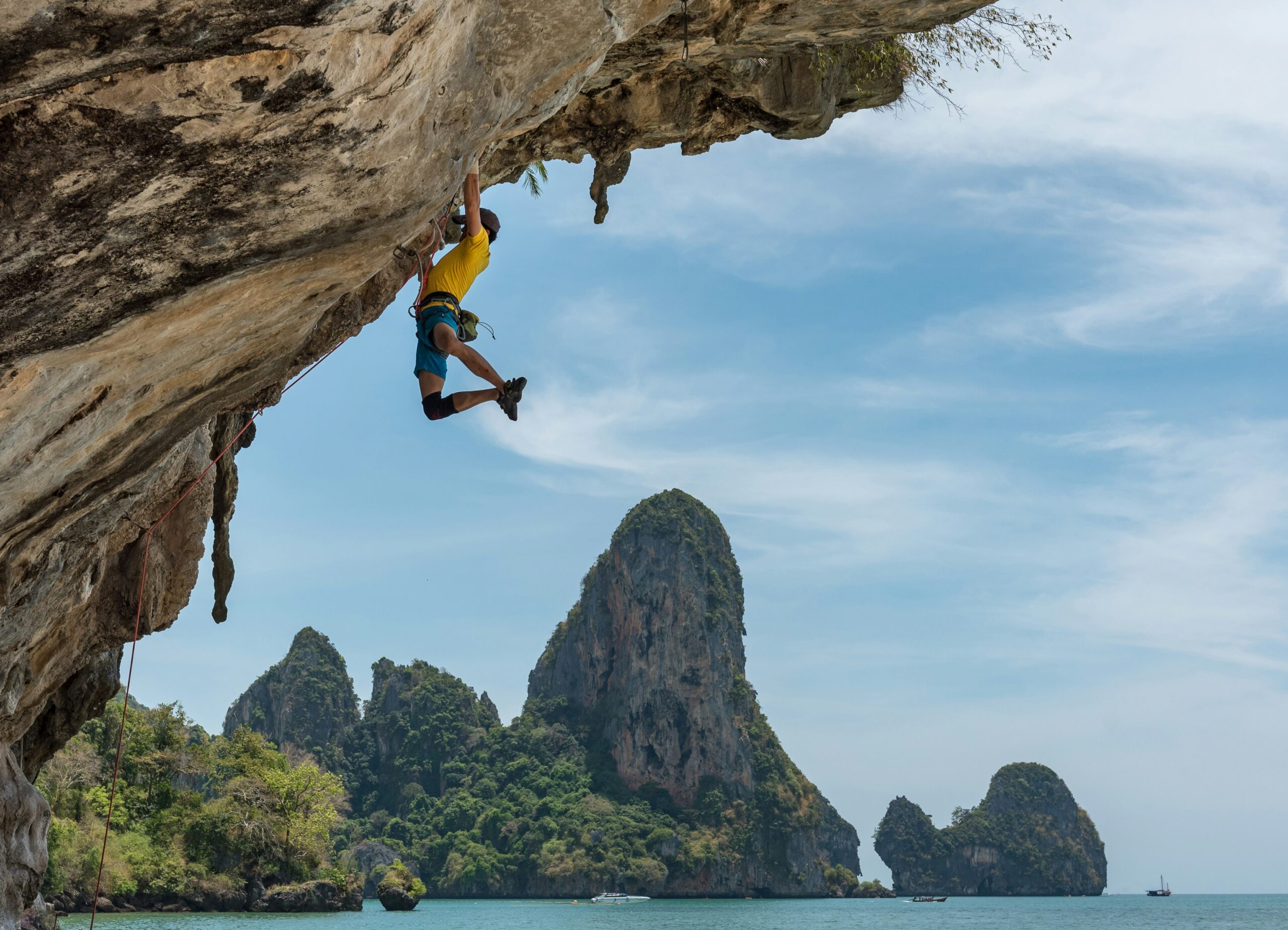
Adventure today is no longer just about reaching a destination; it is about the journey, the challenge, and the connection to the natural world. Alpine rock climbing has emerged as one of the most compelling ways to experience all three. Combining technical climbing with high-altitude exploration, it offers an experience that is both physically demanding and deeply rewarding.
This growing interest in alpine climbing reflects a broader shift toward meaningful outdoor experiences. People are seeking activities that test their limits while immersing them in raw, untouched environments. Alpine rock climbing delivers exactly that, making it one of the fastest-rising pursuits among outdoor enthusiasts.
The Power of Remote Mountain Experiences
One of the main reasons alpine rock climbing continues to grow in popularity is the unique environment it offers. Climbers venture into remote mountain ranges where towering cliffs and vast landscapes create a sense of scale that is hard to match. These settings provide a level of isolation that allows individuals to disconnect from daily life and reconnect with nature.
At the same time, these environments are unpredictable. Weather can shift rapidly, and terrain can vary from solid rock to snow-covered ridges. This constant change keeps climbers fully engaged, as each ascent presents new challenges. The combination of beauty and uncertainty makes alpine climbing an unforgettable experience for those willing to embrace it.
A Demanding Blend of Strength and Stamina
Alpine rock climbing requires a balance of strength and endurance that sets it apart from other outdoor activities. Climbers must be strong enough to handle technical rock sections while also maintaining the stamina needed for long ascents and descents. Carrying equipment over uneven terrain adds another layer of physical demand.
Endurance becomes especially important during extended climbs lasting an entire day or longer. Managing energy, staying hydrated, and maintaining focus are all essential for success. This combination of physical challenges attracts individuals motivated to push their limits and achieve difficult goals.
Mental Resilience in High-Stakes Conditions
The mental aspect of alpine climbing is just as important as the physical. Climbers must remain calm and focused in situations where conditions can change quickly. Decision-making becomes critical, especially when dealing with route choices, weather changes, or unexpected obstacles.
This mental challenge is part of what makes the sport so appealing. Climbers develop resilience, confidence, and the ability to think clearly under pressure. These skills extend beyond the mountain, influencing how individuals approach challenges in other areas of life.
The Importance of Technical Mastery
Success in alpine rock climbing depends on a strong foundation of technical skills. Climbers must understand how to use ropes, place protection, and move efficiently across different types of rock. These skills are essential for maintaining safety and progressing through complex routes.
Preparation also plays a major role. Climbers must carefully plan their routes, study conditions, and ensure they have the right equipment. This level of preparation allows them to handle the unexpected and increases the likelihood of a successful climb. Mastery of both skill and planning is what separates experienced climbers from beginners.
Innovation in Gear and Equipment
Advancements in climbing gear have made alpine rock climbing more accessible than ever before. Modern equipment is lighter, stronger, and more reliable, allowing climbers to move more efficiently in challenging environments. Improved clothing also helps protect against extreme weather conditions.
These innovations reduce physical strain and increase safety, making it easier for more people to participate in the sport. However, understanding how to use this equipment properly remains essential. Gear is only effective when combined with the knowledge and skill to use it correctly.
A Strong and Supportive Climbing Community
The climbing community has played a significant role in the rise of alpine rock climbing. Through shared experiences, mentorship, and online platforms, climbers can learn from one another and build confidence. This sense of connection makes the sport more welcoming to newcomers.
Climbing partnerships are especially important. Trust and communication between partners are essential for safety and success. These relationships often grow into lasting friendships, adding a social dimension to the adventure that many climbers value deeply.
Protecting Fragile Alpine Environments
As more people explore alpine regions, protecting these environments becomes increasingly important. Mountain ecosystems are delicate, and climbers must take steps to minimize their impact. Simple actions, such as following established routes and carrying out waste, can make a significant difference.
Environmental awareness is a core value within the climbing community. Many climbers are committed to preserving the natural beauty of the places they explore. By practicing responsible climbing, they help ensure that these landscapes remain unspoiled for future generations.
Managing Risk with Awareness and Preparation
Alpine rock climbing involves inherent risks, including changing weather, rockfall, and high-altitude conditions. These risks are part of the sport’s appeal, but they must be managed carefully. Climbers need to be aware of potential hazards and take steps to reduce them.
Preparation is the key to managing risk effectively. This includes checking weather forecasts, understanding the route, and carrying the necessary equipment. Knowing when to continue and when to turn back is also an essential skill. Responsible decision-making allows climbers to enjoy the adventure while staying safe.
The Future of Alpine Climbing Adventures
The popularity of alpine rock climbing is expected to continue growing as more people seek authentic outdoor experiences. Increased access to training, better equipment, and a stronger community will make the sport more approachable for beginners.
At the same time, maintaining a balance between growth and sustainability will be crucial. By promoting responsible practices and respecting the environment, the climbing community can ensure that alpine climbing remains a positive and lasting pursuit.
Embracing the Climb Beyond Limits
Alpine rock climbing offers a unique blend of challenge, beauty, and personal growth. It pushes individuals to test their limits while rewarding them with unforgettable experiences in some of the world’s most stunning landscapes. This balance is what makes the sport so compelling.
As more people discover the thrill of climbing in high-altitude environments, alpine rock climbing will continue to inspire a new generation of adventurers. With the right preparation, respect for nature, and commitment to safety, it becomes more than just a sport—it becomes a journey beyond limits.