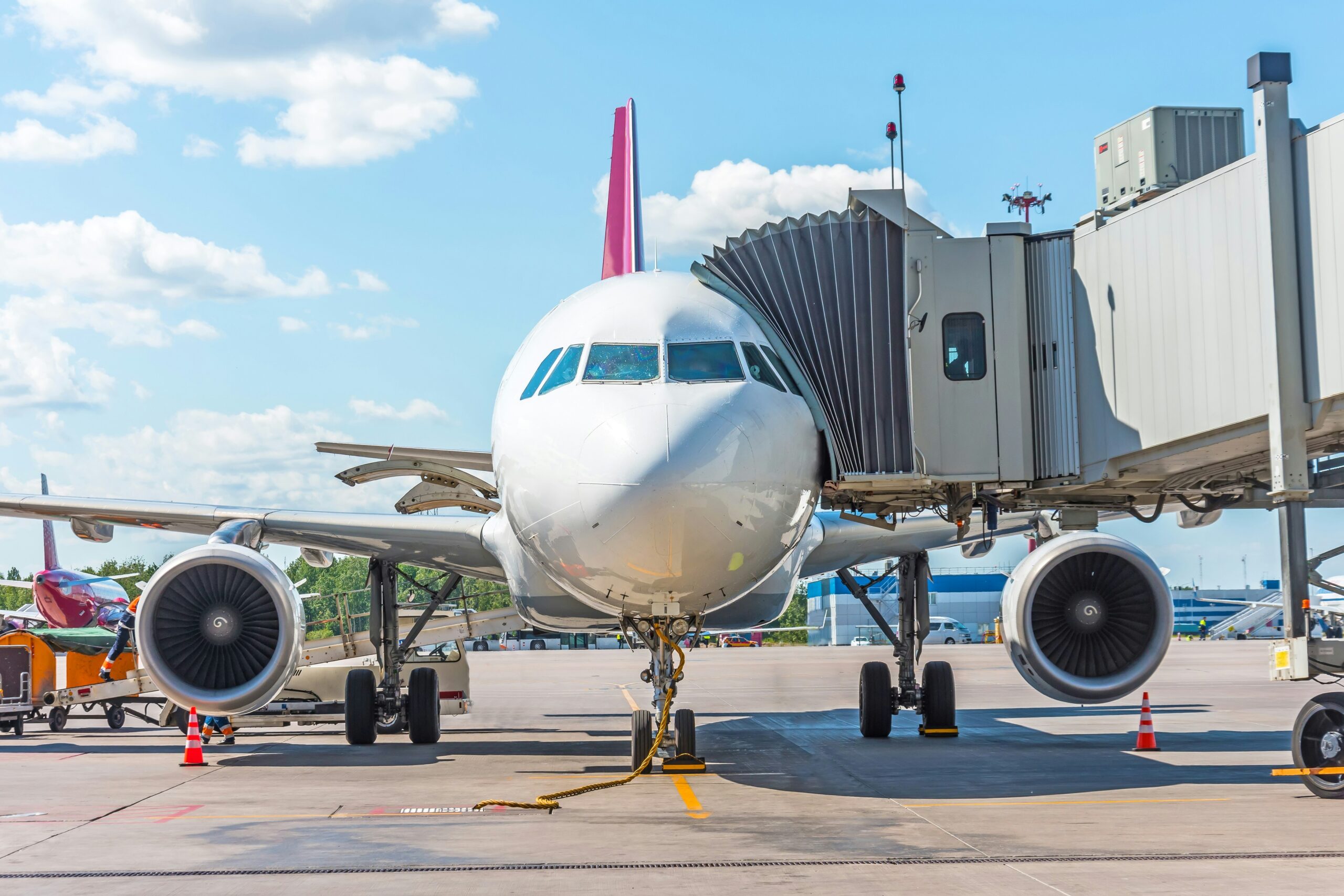
Tailwheel aircraft may no longer dominate airport ramps, yet their importance in pilot training has not diminished. These aircraft represent a different era of aviation, but the skills required to operate them remain highly relevant. A tailwheel endorsement is not just about flying a specific type of airplane; it is about developing precision, awareness, and discipline that benefit pilots throughout their careers.
Modern aviation often emphasizes automation and advanced avionics, which can sometimes reduce a pilot’s reliance on fundamental flying skills. Tailwheel training helps restore that balance by forcing pilots to focus on manual control. This hands-on experience builds confidence and competence, ensuring that pilots remain capable even when technology is limited or unavailable.
Strengthening Fundamental Flying Skills
Tailwheel aircraft demand precise control inputs from the moment the airplane begins to move. During taxi operations, pilots must actively manage direction using rudder and brakes, as the aircraft is more sensitive to ground-handling errors. This constant engagement sharpens coordination and reinforces the importance of smooth, deliberate inputs.
As pilots progress through takeoffs and landings, they learn to manage pitch, power, and yaw with greater accuracy. The aircraft’s tendency to weathervane or drift requires immediate correction, which trains pilots to stay ahead of the airplane. These refined skills directly translate into improved performance across all aircraft types.
Mastering Ground Handling Techniques
One of the most defining aspects of tailwheel training is mastering ground operations. Unlike tricycle gear aircraft, tailwheel airplanes have their center of gravity behind the main wheels, which makes them inherently less stable on the ground. Pilots must remain vigilant to prevent ground loops or loss of directional control.
This challenge teaches pilots to respect the aircraft’s behavior and respond quickly to changes. Learning to manage momentum, braking, and steering simultaneously deepens understanding of how aircraft interact with the runway. These lessons carry over into all phases of flight, particularly during critical moments like landing rollouts.
Building Confidence in Challenging Conditions
Tailwheel aircraft are often more affected by environmental factors such as wind, uneven surfaces, and runway conditions. Pilots must adapt quickly to these variables, which strengthens their ability to handle unexpected situations. Training in these conditions fosters resilience and adaptability.
Confidence gained through tailwheel training is rooted in experience rather than reliance on automation. Pilots who have successfully managed challenging scenarios in a tailwheel aircraft are better prepared to handle similar situations in other airplanes. This confidence enhances decision-making and reduces hesitation during critical moments.
Improving Crosswind Landing Proficiency
Crosswind landings are a fundamental skill for all pilots, but tailwheel aircraft make them particularly demanding. The aircraft’s design requires precise alignment with the runway and careful management of control inputs throughout the landing sequence. Even small errors can quickly escalate if left uncorrected.
Through repeated practice, pilots develop a strong sense of timing and coordination. They learn to apply rudder and aileron inputs instinctively, maintaining control even in difficult wind conditions. This proficiency becomes a valuable asset when flying other aircraft, where crosswinds may be less challenging but still require proper technique.
Enhancing Situational Awareness
Operating a tailwheel aircraft requires constant awareness of the surrounding environment. Limited forward visibility during taxi encourages pilots to adopt techniques such as S-turns, which improve their ability to scan for obstacles and traffic. This habit of active observation becomes second nature over time.
In addition, tailwheel pilots often operate from smaller or less developed airfields. These environments demand careful evaluation of runway conditions, obstacles, and weather factors. By continuously assessing these elements, pilots develop a heightened sense of situational awareness that benefits them in all types of flying.
Expanding Opportunities in Aviation
A tailwheel endorsement opens the door to a variety of unique flying experiences. Many classic and specialized aircraft, including bush planes and aerobatic trainers, use tailwheel configurations. Pilots with this endorsement can explore these opportunities and broaden their aviation horizons.
In certain sectors of aviation, tailwheel experience is highly valued. Backcountry flying, agricultural operations, and vintage aircraft restoration often require these skills. Having a tailwheel endorsement can set a pilot apart and provide access to roles that might otherwise be unavailable.
Reinforcing Discipline and Precision
Tailwheel flying demands a high level of discipline. Pilots must adhere to proper procedures and maintain focus throughout each phase of flight. There is little room for complacency, as even minor lapses in attention can lead to errors.
This emphasis on precision helps pilots develop consistent habits that enhance safety. By practicing careful planning and execution, they build a foundation of reliability that carries over into all aspects of aviation. Discipline learned in tailwheel training becomes a defining characteristic of a skilled pilot.
Preserving Traditional Flying Skills
While aviation continues to evolve, the importance of traditional flying skills remains unchanged. Tailwheel training serves as a bridge between the past and present, preserving techniques that have been fundamental to aviation since its earliest days. These skills provide a strong foundation for modern pilots.
Maintaining these traditions is not just about honoring history; it is about ensuring that essential skills are not lost. Tailwheel training keeps these abilities alive, allowing new generations of pilots to benefit from the lessons learned by those who came before them.
Adapting to Modern Aviation Needs
In today’s aviation environment, pilots are expected to balance technical knowledge with practical skills. Tailwheel training complements modern education by reinforcing the basics that underpin all flying. It ensures that pilots are not solely dependent on technology and can handle the aircraft manually when needed.
As aviation continues to advance, the value of well-rounded pilots becomes increasingly clear. Tailwheel training contributes to this balance by providing a unique set of challenges that enhance overall competence. It prepares pilots to adapt to a wide range of situations, from routine flights to unexpected emergencies.
The Continued Value of Tailwheel Training
The relevance of tailwheel training extends far beyond its historical roots. It remains a powerful tool for developing skilled, confident, and adaptable pilots. The endorsement represents a commitment to mastering the fundamentals of flight and embracing challenges that lead to growth.
In a world where aviation technology continues to evolve, the importance of strong foundational skills cannot be overstated. Tailwheel training ensures that these skills remain at the forefront of pilot development. For those seeking to become truly proficient aviators, the value of a tailwheel endorsement is as significant today as it has ever been.